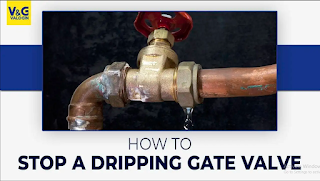
How to Fix a Leaking Ball Valve
A leaking ball valve can be a frustrating plumbing issue, causing water wastage and potential damage to your property. However, tackling this problem doesn’t always require calling a plumber. With a few simple tools and a bit of know-how, you can fix a leaking ball valve yourself. In this guide, we’ll walk you through the steps to identify and repair the leak, ensuring your plumbing system is back in working order.
A ball valve is commonly used to control the flow of liquids in plumbing systems. A leaking ball valve is often caused by worn-out or damaged seals and O-rings. Fortunately, addressing these issues is manageable with some basic tools and a systematic approach.

Tools and Materials You’ll Need
- Adjustable wrench
- Screwdriver
- Replacement O-rings and seals
- Pipe tape (Teflon tape)
Turn Off the Water Supply
Locate the main water supply valve and shut it off to prevent water flow while you work on the valve.
Empty the Pipes
Open faucets connected to the valve to release any remaining water pressure in the pipes.
Remove the Handle
Use a screwdriver to remove the handle of the ball valve. This will give you access to the valve components.
Tighten the Packing Nut
Use an adjustable wrench to tighten the packing nut located under the handle. This might fix the leak if the nut was loose.
Replace the O-Rings
If tightening the nut doesn’t solve the issue, the O-rings inside the valve might be damaged. Carefully remove the old O-rings and replace them with new ones.
Reassemble the Valve
Put the valve components back in place, including the handle. Make sure everything is properly aligned.
Turn On the Water Supply
Gently turn on the main water supply valve and let water flow into the pipes.
Check for Leaks
Observe the valve for any signs of leakage. If you notice any leaks, go back and ensure all components are tightly secured. Checking for leaks in your plumbing system is an essential maintenance task that can save you from water damage, increased bills, and the hassle of dealing with plumbing emergencies. Whether you suspect a leak or just want to be proactive, performing regular leak checks can help identify and address issues early. In this section, we’ll guide you through a step-by-step process to effectively check for leaks in your plumbing system.
When to Seek Professional Help
If the leak persists despite your efforts, or if you’re uncomfortable performing these steps, it’s best to consult a professional plumber. Knowing when to seek professional help for plumbing issues can save you from exacerbating problems and incurring costly repairs. While DIY efforts can be effective, there are instances where the expertise of a skilled plumber is necessary to ensure a proper and lasting solution. In this section, we’ll guide you through recognizing situations that warrant the assistance of a professional plumber.

Comments
Post a Comment